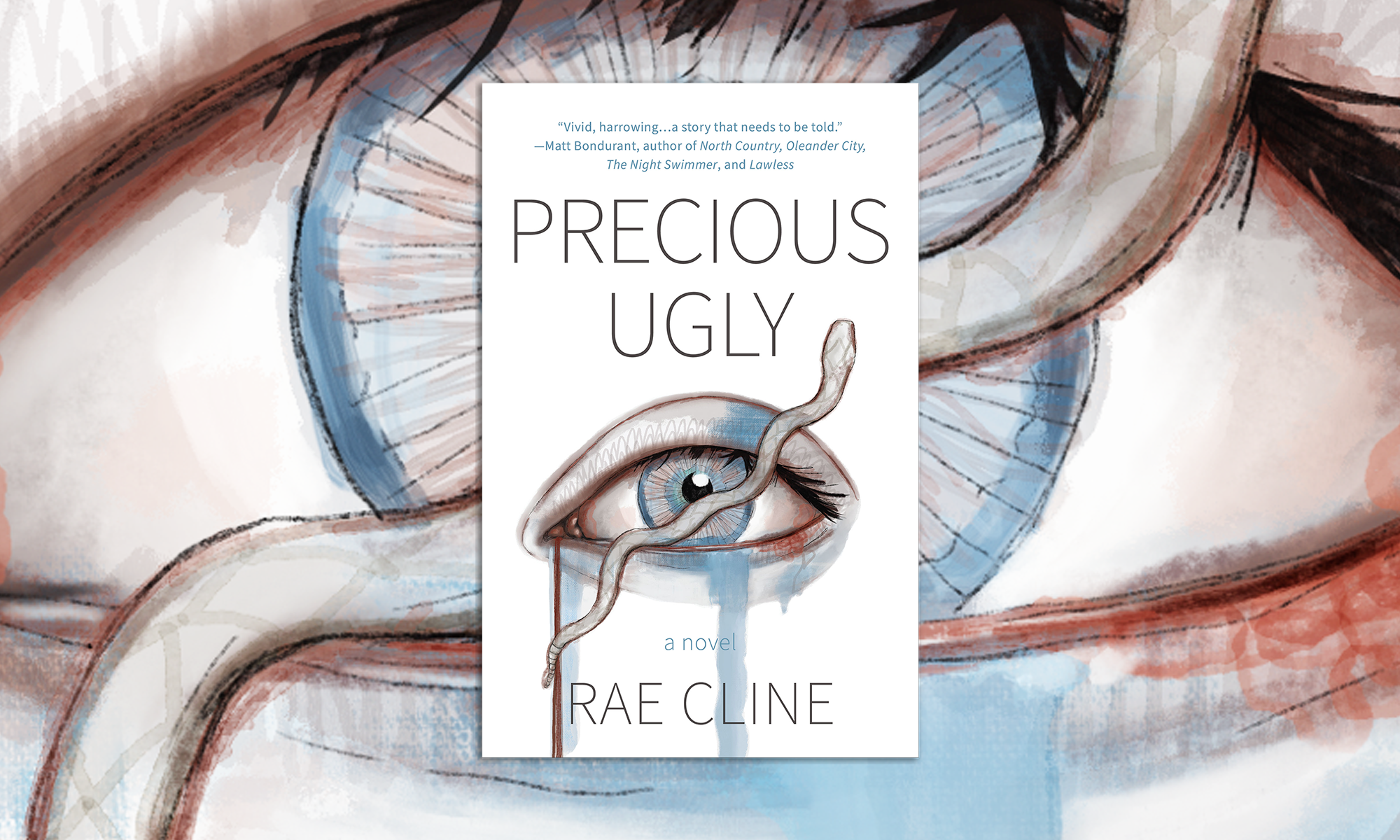

by Rae Cine
Trigger warnings. Spoiler alerts.
I am curious about moral authority in stories and how moral authority presents within openings. Morality is a central function of stories that I find most engaging, in particular, the moral implications surrounding gender-violence and abuse. I prefer stories that push the boundaries of moral dilemmas. Some questions of morality present as axioms of the human condition, yes, I would agree with this, but there is still a social construction within it, nuances that make it less “truth” than manufactured. The way these moral axioms apply through human consumption and synthesis can become something entirely different depending upon the human, especially when manufactured through privilege. The authors who dare to pose these questions of morality as consumed and synthesized through privilege are often the authors I follow as a reader and writer. As I’ve discussed before, Toni Morrison’s Beloved is perfection for me if there is such a thing as a perfect novel. Beloved questions morality synthesized and told through the eyes of marginalized perspective, which I find necessary and fascinating as a study in craft. I thought you might find it fascinating, too, so perhaps we can be fascinated, together, for a time.
Omniscient Narrator
Beloved opens with an omniscient narrator’s personification of a house, a “spiteful” house, named “124.” Set outside Cincinnati, Ohio, 124 is a haunted place where the now deceased grandmother, Baby Suggs was an “unchurched preacher,” whom we will later learn in the novel once tended to a community of runaway slaves and freed people. 124 began as a loving place, a “cheerful, buzzing house” and “way station,” but for some undisclosed reason, 124 grew dark, “spiteful.” And so we open with the narrator’s moral authority and judgement on 124’s “venom”:
124 WAS SPITEFUL. Full of a baby’s venom. The women in the house knew it and so did the children. For years each put up with the spite in his own way, but by 1873 Sethe and her daughter Denver were its only victims. The grandmother, Baby Suggs, was dead, and the sons, Howard and Buglar, had run away by the time they were thirteen years old—as soon as merely looking in a mirror shattered it (that was the signal for Buglar); as soon as two tiny hand prints appeared in the cake (that was it for Howard). Neither boy waited to see more; another kettleful of chickpeas smoking in a heap on the floor; soda crackers crumbled and strewn in a line next to the door-sill. Nor did they wait for one of the relief periods: the weeks, months even, when nothing was disturbed. No. Each one fled at once—the moment the house committed what was for him the one insult not to be borne or witnessed a second time. Within two months, in the dead of winter, leaving their grandmother, Baby Suggs; Sethe, their mother; and their little sister, Denver, all by themselves in the gray and white house on Bluestone Road. It didn’t have a number then because Cincinnati didn’t stretch that far. In fact, Ohio had been calling itself a state only seventy years when first one brother and then the next stuffed quilt packing into his hat, snatched up his shoes, and crept away from the lively spite the house felt for them….(3)
Read the full essay at Eckleburg.
Where Moral Authority Begins
Part I: Toni Morrison’s Beloved
Part II: Dorothy Allison’s Bastard Out of Carolina
Part III: Cormac McCarthy’s Child of God
Part IV: Jesmyn Ward’s Sing, Unburied, Sing
Rae Cline’s debut novel, Precious Ugly (7.13 Books), is a work of Appalachian literary fiction. It was a finalist for the Curt Johnson Prose Award and CRAFT’s First Chapters Contest. Her short fiction and essays have appeared in The Paris Review, McSweeney’s, North American Review, and StoryQuarterly. She is the founding editor of Eckleburg and lives in New York City.